Rapid Prototyping
Use this manufacturing process to evaluate a design before the next iteration.
Explore prototyping ↗
Build beyond the limits of conventional tooling. Explore resin, nylon and metal additive manufacturing for concept models, functional prototypes and complex components.
Prepare a project inquiry ↗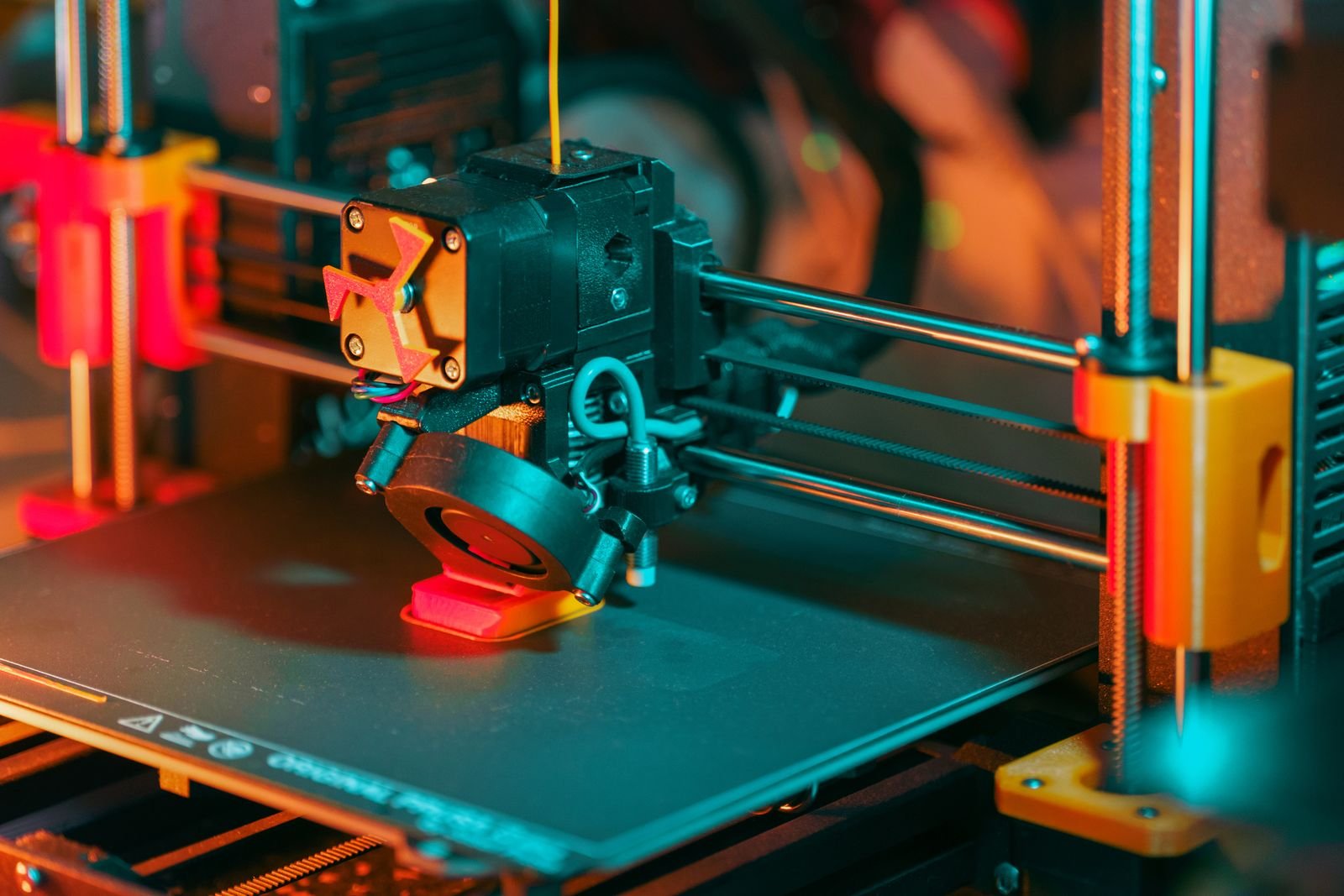
Additive manufacturing builds parts in layers from a digital model. The right process depends on the surface finish, mechanical demands, geometry and operating environment of your application.
For visual prototypes, fine detail and presentation models. Specify appearance and post-curing requirements.
For functional polymer prototypes, housings and complex geometries. Discuss fit, finish and intended loading.
For intricate metal parts and geometries that are difficult to machine. Review supports, heat treatment and machined interfaces.
Resin families, PA12 / nylon, aluminum alloys, stainless steel and titanium — grade and process availability to be confirmed.
Support removal, sanding, painting and selected secondary machining. Specify cosmetic surfaces and functional interfaces.
Material grade, finish availability and inspection scope are confirmed during quotation.
| Protolabs benchmark | Published reference — not Winston Rapid capacity |
|---|---|
| Fast-turn headline | Protolabs advertises selected printed parts in as little as 1 day. |
| Equipment capacity | Protolabs reports 120+ additive manufacturing machines. |
| Monthly output | Protolabs reports 250,000+ printed parts per month. |
| Dimensions & tolerance | Process- and material-specific; no single value applies across SLA, SLS and metal printing. |
| Winston Rapid verified capacity | Pending company confirmation. |
Source: Protolabs official printing information ↗ · Reference only; not a Winston Rapid promise.
Define wall thickness, hole sizes, build orientation and mating surfaces. Allow for support removal and process-specific shrinkage.
STL / 3MF for print geometry; STEP plus a drawing for critical dimensions.
State quantity, intended use, critical dimensions, visible surfaces, destination and target date. Identify your drawing revision.
Concept models · functional housings · intricate metal parts. Final process selection depends on geometry, material, performance and quantity.
STL / 3MF for print geometry; STEP plus a drawing for critical dimensions. Include quantities, finishing, inspection requirements and shipping destination.
No. The current capacity profile contains clearly marked planning examples. Firm manufacturing commitments are made only after technical review and quotation approval.
Use the inquiry form to submit your project requirements. Submit your requirements and CAD files using the project inquiry form.
Use this manufacturing process to evaluate a design before the next iteration.
Explore prototyping ↗Review this process for smaller batches and repeat parts.
Explore production ↗Prepare geometry, drawings and acceptance criteria.
Read design guides ↗Review grade, finish and functional priorities.
Explore materials ↗Build a clearer brief around the application.
Explore applications ↗Resin printing is useful for presentation models, fine details and fit checks. Discuss resin properties, support marks, curing and cosmetic finishing; printed resin performance depends on the selected material.
Powder-bed polymer printing can produce complex shapes without attached support structures. Consider surface texture, powder removal, assembly fits and the intended operating environment.
Metal printing can support complex channels and lightweight geometries. Orientation, supports, heat treatment and secondary machining require review before confirming dimensional requirements.
Provide a CAD model or a watertight STL/3MF, quantity, required material properties and functional surfaces. State whether sanding, painting, inserts or post-machining are needed. Build size and delivery are reviewed per project.